What "destination charging" actually means
Destination charging is charging at the place you were going anyway: a hotel, a restaurant, a trailhead. The station is slower than a highway fast charger, which is fine, because your car charges while you do something else.
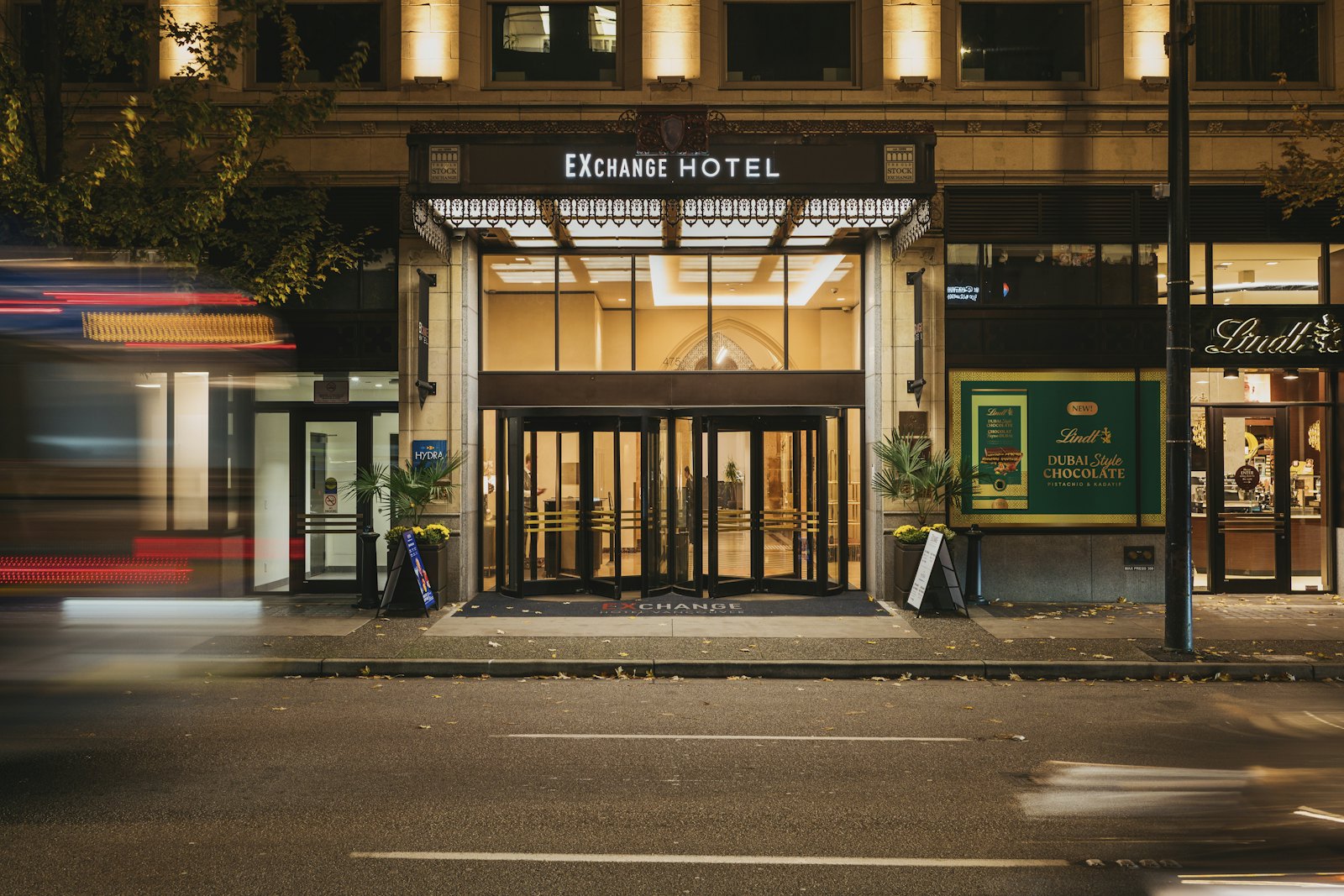
Photo: Albert Stoynov, Unsplash (d_qcnd3CB20)
The two roles
- Fast charging is for the road. High-power stations on the way, built for short stops while you wait.
- Destination charging is for the stay. Lower-power stations where the car sits for hours while you sleep or eat.
A hotel with working destination charging gives you a full battery every morning, which matters more to a trip than any single fast charger on the route.
Words you will see on listings
- Network name. Who operates the station and whose app, if any, starts it. Some hotel stations need no app at all.
- Level and power. How fast it charges. Overnight, nearly any working level is enough.
- Access. Guest-only stations are more likely to be free when you arrive; public ones serve the whole neighborhood.
When a listing here names a program or network, we name it exactly as the source reports it, because rules differ between programs and between properties.